Choosing the Right Paper Bag: A Practical Guide for Small Businesses
In the theater of retail, the humble paper bag has long played a supporting role, quietly carrying more than merchandise: it conveys brand, signals sustainability, and—perhaps most importantly—speaks to a customer’s moment of unwrapping. The categories are deceptively simple: flat bags, patch handle bags, and die-cut handle bags. Yet beneath those shapes lies a spectrum of materials, weights, finishes, and durability profiles that can tilt the balance between a positive customer experience and a misfired packaging strategy. This guide is a practical, data-informed compass for small businesses navigating the choices, costs, and consequences of paper bag selection.
Note: This article aligns with Direction A: Educational Resource on Paper Bags and Packaging. It emphasizes practical guidance, material considerations, and sustainability implications for small businesses seeking efficient, informed packaging decisions.
1) Understanding the bag types
The first step in choosing the right paper bag is understanding the structural distinctions among common bag types. Each type offers a unique blend of cost, durability, branding surface, and consumer interaction. Consider how a bag will function from checkout to shelf to consumer handoff.
-
Flat paper bags: These are the simplest form, typically square or rectangular sheets formed into a bag with a flat bottom, no side gussets, and a straightforward seal. They are often the most economical option and work well for lightweight items or items with uniform shapes.
-
Patch handle bags: Identified by a reinforced cut-out handle, usually at the top, which is formed or punched through the bag. They provide a cleaner aesthetic and can handle higher weights than simple flat bags when paired with appropriate material weight.
-
Die-cut handle bags: Similar to patch handle in concept but typically feature a die-cut opening as the carrying handle. They balance branding space with a nimble silhouette, making them popular for boutique packaging where aesthetics matter.
Beyond the silhouette, the bag’s construction—whether it uses a single ply or multiple plies, and whether it includes a bottom crease or gussets—affects how it behaves in real-world use. In practice, a small business evaluating bag choices should model both the typical item weight and the customer journey: from checkout, through transport, and to recycling or disposal at home.
2) Materials: kraft, recycled content, and finish
Material choice drives durability, cost, printability, and environmental impact. The most common categories are kraft paper, recycled-content paper, and specialty finishes. Each has its own narrative in terms of sourcing, manufacturing, and lifecycle implications.
-
Kraft paper: Often made from virgin pulp or blends, kraft paper is renowned for its strength and natural, uncoated surface. It offers robust tear resistance and a rustic aesthetic that can align with sustainable branding. If you want a strong bag for heavier items or merchandise that requires a sturdier impression, kraft is a reliable baseline.
-
Recycled-content paper: Bags made with post-consumer or pre-consumer recycled fibers reduce the demand for virgin pulp. These options vary in printability and surface smoothness, depending on the level of recycled content and finishing. They can be stitched to emphasize sustainability narratives, though some high-recycled-content papers may have slightly different stiffness or opacity.
-
Finishes and coatings: Many paper bags are uncoated to improve recyclability, while some employ light coatings or surface finishes to improve print fidelity and moisture resistance. A matte uncoated finish is common for a natural look; a light gloss or satin can amplify branding colors but may complicate recycling in some regions.
When selecting materials, consider the lifecycle stage most meaningful to your brand and customers. If your narrative centers on “reduce, reuse, recycle,” prioritize recyclability and end-of-life clarity. If your product requires a premium presentation, controlled finishes that support high-quality printing may be worth the trade-off in recyclability. The balancing act is less about purity of material and more about aligning material properties with customer expectations and regional waste-management realities.
3) Sizing for products: how to avoid over-packaging
Sizing is both a science and an art. An appropriate bag size protects products during transit, supports brand storytelling, and minimizes material waste. In practice, consider these steps:
- Measure the product dimensions with a margin allowance for cushioning and branding elements.
- Consider typical product weights and whether the bag will accommodate additional items (e.g., tissue, receipts, business cards) without becoming overstretched.
- Evaluate the stiffness and bottom support of the bag. A flimsy bag may sag under heavier items, leading to product damage or a compromised customer experience.
- Factor branding space. A bag should present your logo and messaging without crowding the product, so plan for a clear front surface.
A practical approach is to create a sizing matrix: list product categories, proposed bag sizes, and a quick test for fit. For many small retailers, standardizing a handful of sizes (e.g., small for accessories, medium for apparel or compact items, large for bulk products) can streamline purchasing, reduce waste, and simplify shelf communications with customers.
A quick rule of thumb: aim for a bag that is about 10–20% larger than the product dimensions in each direction to accommodate tissue, tag lines, and minor packaging quirks. If your brand leans into premium presentation, you may tolerate a tighter packaging margin to preserve the visual impact, provided you maintain sufficient durability.
Quick checklist for sizing:
- Product fit: does the bag accommodate the largest item with room for tissue?
- Brand space: is the logo clearly visible without crowding?
- Weight handling: is the bag thickness sufficient for the expected weight?
- End-of-life: is the bag easy to dispose of or recycle for your customers?
4) Brand alignment and cost considerations
A bag is a portable billboard for your brand. Its color, texture, strength, and print quality can elevate or undermine the shopping experience. Cost is a practical constraint, but not a mere number on a quote. It is a signal about what your business values: efficiency, premium experience, sustainability, or a blend of all three.
When negotiating with suppliers, consider the following levers:
- Material weight (gsm or caliper): heavier bags tend to be stronger but cost more and may require more packaging for shipping.
- Print capabilities: full-color branding increases perceived value but adds cost; consider single-color or two-color options for a clean, cost-effective look.
- Finish choices: uncoated for recyclability vs. coated for moisture resistance; weigh consumer expectations in your category.
- Minimum order quantities: many suppliers offer lower MOQs for smaller businesses, but price per unit rises as orders shrink.
An economical yet impactful approach is to adopt a tiered packaging strategy: a base line of kraft or recycled-content bags for everyday products, with a premium variant for gift occasions or special promotions. This strategy preserves brand consistency while allowing for occasional value-driven marketing without a wholesale change in supply chain.
5) Recycling and disposal: practical guidance by bag type
The end-of-life stage is where consumer expectations intersect with municipal capabilities. Paper bags, in many regions, are recyclable with curbside papermaking streams, provided they are free from contamination and excessive coatings. Understanding your customers’ local recycling guidelines helps close the loop on sustainability.
- Uncoated kraft and recycled-content bags are typically accepted in standard paper recycling programs. Keep coatings minimal to maximize recyclability.
- Coated or laminated bags may be more challenging to recycle and could require specific facilities. If your bag relies on moisture resistance or branding overlays, communicate end-of-life expectations clearly to customers.
- Soiling and contamination (food residue, oils, or liquids) should be minimized. Encourage customers to keep bags clean or to reuse them when possible.
For small businesses seeking to educate customers, consider including a brief recycling guide on the bag or on a small card at checkout. Simple messaging like “Recycle with your paper stream” or “Compostable? Check local guidelines” can provide clarity and reduce confusion.
In jurisdictions where compostable or home-compostable paper bags are common, you should clearly distinguish these from standard paper bags. Consumers often assume all paper bags are compostable at home, which can lead to confusion at the curbside. Your packaging guidance should reflect the actual capabilities of your intended disposal path.
6) Practical examples and small-business case insights
While every business has its own constraints, a few representative scenarios illustrate how the right bag choice can reinforce branding while maintaining sensible costs.
Scenario A: A boutique apparel shop
A boutique uses a medium-sized die-cut handle bag in recycled-content kraft with a single-ink brand mark. The aesthetic is premium yet sustainable, and the cost per bag remains within a tight budget. The brand message—“crafted with care, recyclable by design”—is reinforced at checkout and through social media unboxing posts.
Scenario B: A bookstore and gift shop
A store uses flat, uncoated kraft bags with a bold, one-color logo. The price point is favorable, and the bags perform well for carrying a variety of books and small gifts. The matte finish evokes a classic, literary vibe that aligns with the store’s persona.
Scenario C: A cosmetics retailer
A high-end retailer opts for lighter-weight, coated or laminated bags with a sleek, high-contrast color print. The premium look supports gift-ready presentation, though ongoing recycling education is shared with customers to address potential end-of-life questions.
Building a practical understanding of paper bag selection benefits from a mix of quick-reference tools and deeper reading. Consider maintaining a lightweight internal guide that covers the core bag types, materials, approximate costs, and end-of-life recommendations. The following items can support ongoing learning:
- A sizing matrix that maps products to bag sizes and material choices.
- A short recycling guide card for customer-facing use at checkout.
- A glossary of terms related to paper bags, materials, and packaging standards (for example, kraft, momme, gsm, coating, and certifications).
- Case studies or anecdotes from staff or customers illustrating how different packaging choices affected the shopping experience or sustainability outcomes.
For businesses seeking deeper engagement, partnerships with packaging suppliers or sustainability consultants can provide tailored guidance, including supplier-specific quotes, lead times, and testing protocols for bag strength and printability. A pragmatic approach is to begin with a conservative bag program and expand as you gather data on product mix, customer feedback, and waste management outcomes.
8) Practical takeaways and a quick action plan
- Define your primary packaging goals: cost efficiency, premium branding, or sustainability messaging, then align material and bag type choices to those goals.
- Match bag types to product categories: prefer flat bags for lightweight items, die-cut or patch handle bags for heavier or more premium items.
- Choose materials with lifecycle thinking: prioritize recyclability and minimal coatings when possible, and communicate disposal guidance to customers.
- Develop a sizing framework to prevent over-packaging while preserving brand impact.
- Design a simple customer-facing recycling or end-of-life guide to close the loop on sustainability claims.
Conclusion: Packaging as a practiced philosophy
The question “Which paper bag should I choose?” is never only about a price quote or a weight specification. It is a question about a brand’s identity in motion: how a business speaks to its customers through an object that is both utilitarian and symbolic. The right bag blends strength with grace, economy with intention, and visibility with respect for the end user’s environment. In this sense, choosing the right paper bag is less about chasing the latest packaging trend and more about articulating a coherent, honest, and scalable approach to how a business carries its values into the world.
As with any practical guide, the most meaningful guidance comes from seeing your specific context: product mix, customer expectations, and regional waste-system realities. Start with a plan, iterate based on feedback, and let the bag become part of a larger narrative about how your business treats materials, people, and the planet.
Further reading and references
The guidance above draws on general industry knowledge about paper bag construction, materials, and end-of-life considerations. For readers seeking deeper dives, consider the public literature on packaging materials, lifecycle assessment frameworks, and regional recycling guidelines. While this article does not quote specific individuals, it aligns with established packaging standards and sustainability principles that inform practical decision-making in retail packaging.
The following product aligns with the practical, premium packaging approach described in this article. It demonstrates how a packaging choice can be both functional and curated for travel-ready use.
Silk Laundry Bag - Pink & Ivory Stripe
Premium travel laundry bag crafted from 100% Mulberry silk, 19 Momme. Durable, breathable, and designed for organization on the go.
View product
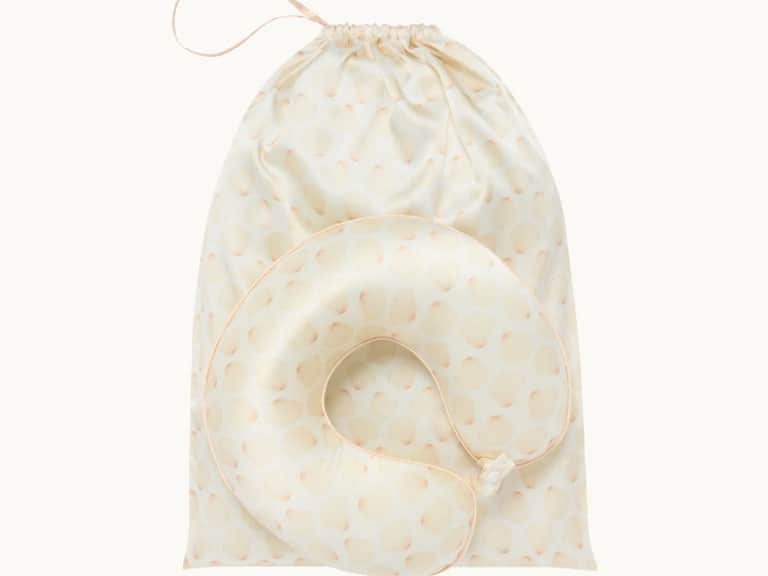
Silk Laundry Bag Seashells
Lightweight silk travel bag with seashell motif, combining function with timeless design.
View product
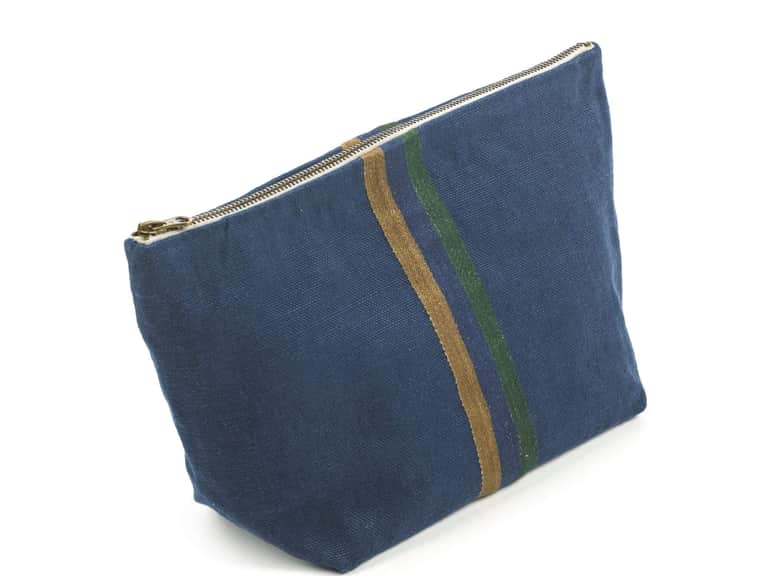
Max Cosmetic bag
Neutral cosmetic bag option that exemplifies practical storage for small items, suitable for gifting or retail display.
View product